Growing Tomatoes at Home
A Practical Guide

Growing tomatoes at home is a rewarding way to enjoy fresh, flavourful produce.
Learn how to choose suitable tomato varieties, prepare healthy soil and plant successfully
in garden beds or black grow bags.
This section will also cover watering, feeding, staking, pruning, pest management
and harvesting ripe tomatoes.

Growing Tomatoes at Home

Growing tomatoes at home is a rewarding way to enjoy fresh, flavourful produce.
Tomatoes can be grown in traditional garden beds, raised beds, large pots or black grow bags.
This makes them suitable for backyards, patios and smaller growing spaces.

Successful tomato growing begins with the right variety, a sunny position and healthy soil.
Regular watering, feeding and plant support will help your tomatoes remain productive throughout the growing season.

Clusters of ripe red cherry tomatoes growing on supported vines in a raised backyard garden bed

Cherry Tomatoes

Small, sweet and productive. They are ideal for salads, lunchboxes and backyard snacking.

Ripe red Roma tomatoes and green ripening fruit growing on supported vines in a raised garden bed

Roma Tomatoes

Firm, oval-shaped tomatoes commonly used for sauces, cooking and preserving.

Large ripe red Beefsteak tomatoes and green ripening fruit growing on supported vines in a raised garden bed

Beefsteak Tomatoes

Large, juicy tomatoes that are well suited to sandwiches, burgers and salads.

Red, golden-orange, dark-purple and green grape tomatoes growing on supported vines in a raised garden bed

Grape Tomatoes

Small tomatoes with a firm texture and naturally sweet flavour.

Red, purple, orange, yellow and green-striped heirloom tomatoes growing on healthy vines in a backyard garden

Heirloom Tomatoes

Traditional varieties valued for their distinctive colours, shapes and flavours.

Start Growing Tomatoes at Home

Choose a sunny position, prepare the soil and select tomato varieties suited to your space. Whether you use a garden bed, raised bed, pot or black grow bag, regular care will help your plants grow and produce fresh tomatoes throughout the season.
Read More

Enjoying Your Tomato Harvest

Home-grown tomatoes can be used in salads, sandwiches, sauces, soups, relishes and cooked meals. Cherry varieties are excellent for eating directly from the garden, while Roma-style tomatoes are useful for cooking and preserving. With sunlight, healthy soil and consistent care, even a small backyard space can produce a generous tomato harvest.
Read More

Harvesting Home-Grown Tomatoes

Harvest tomatoes when they have developed the expected colour for their variety and feel firm but ripe. Gently twist the fruit from the stem or use clean garden scissors. Some tomatoes can finish ripening indoors if they are picked after they begin changing colour. Place them in a dry area at room temperature and check…
Read More

Preventing Tomato Diseases

Tomato plants can be affected by fungal, bacterial and soil-borne diseases. Prevention begins with healthy plants, clean gardening tools and good airflow. Water around the base of each plant and avoid splashing soil onto the lower leaves. Remove yellow, damaged or diseased foliage promptly. Do not place diseased plant material into a home compost system…
Read More

Common Tomato Pests

Regularly inspect the leaves, stems and developing fruit. Early detection makes garden pests easier to manage. Common tomato pests may include: Remove badly affected leaves or fruit and dispose of them away from the growing area. Garden hygiene, crop rotation, physical barriers and encouraging beneficial insects can all help reduce pest problems. Always identify the…
Read More

Tomato Flowers and Pollination

Tomato flowers are self-pollinating, although movement from wind and visiting insects can assist the process. A lack of fruit may occur during periods of extreme heat, cold or high humidity. Encourage pollinating insects by growing flowering herbs and companion plants nearby. Avoid applying garden sprays when bees and other beneficial insects are active.
Read More

Staking, Training and Pruning

Many tomato varieties require support to keep their stems and fruit off the ground. Tomato stakes, cages, trellises and strong garden frames are all useful options. Tie stems loosely to the support with soft garden ties. Check the ties as the plant grows to ensure they are not cutting into the stem. Indeterminate tomato plants…
Read More

Feeding Your Tomatoes

Tomatoes are productive plants and require suitable nutrition throughout their growing season. Compost and aged manure can prepare the soil before planting. A fertiliser formulated for tomatoes or fruiting vegetables may be used as the plants mature. Follow the product directions carefully. Excess nitrogen can produce large amounts of leafy growth while limiting flower and…
Read More

Watering Tomato Plants

Consistent watering is one of the most important parts of growing tomatoes at home. Irregular watering may place plants under stress and can contribute to fruit splitting or blossom-end rot. Water deeply at soil level rather than lightly wetting the leaves. Morning watering gives excess moisture time to dry during the day. Plants growing in…
Read More

Growing Tomatoes in Black Grow Bags

Black grow bags provide a flexible option for growing tomatoes in smaller backyards or areas without suitable garden soil. They can be positioned beside garden beds, fences or other dedicated growing areas without blocking walkways. Choose a large grow bag with adequate drainage holes. Fill it with a quality vegetable-growing mix rather than ordinary garden…
Read More

Planting Tomato Seedlings

Plant tomato seedlings after the risk of frost has passed and the soil has started to warm. Young plants should be introduced gradually to outdoor conditions if they have been raised indoors or inside a greenhouse. Tomatoes can develop roots along sections of their buried stems. Planting seedlings slightly deeper than their original container can…
Read More

Preparing the Soil

Tomatoes prefer fertile, free-draining soil enriched with organic matter. Before planting, improve the soil with well-rotted compost or aged animal manure. The soil should hold enough moisture to support the plant without becoming waterlogged. Heavy soil may benefit from added organic matter, while very sandy soil may require extra compost to improve moisture retention. A…
Read More

Finding the Best Position

Tomato plants perform best in a warm, sunny location. Choose an area that receives at least six hours of direct sunlight each day. More sunlight may encourage stronger growth and improved fruit production. Good airflow around the plants is also important. Avoid crowding tomatoes closely together because dense growth can trap moisture around the leaves.…
Read More

Choosing the Right Tomato Variety

Tomatoes are available in many shapes, sizes and flavours. Before planting, consider how much growing space you have and how you plan to use your harvest. Popular tomato types include: Tomatoes can also be classified as determinate or indeterminate. Determinate tomatoes grow to a more compact size and usually produce their crop within a shorter…
Read More
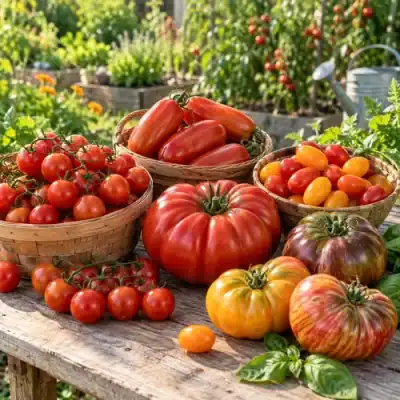
Basket filled with freshly picked red, yellow and orange homegrown tomatoes

Growing Tomatoes at Home

Growing tomatoes at home is a rewarding way to enjoy fresh, flavourful produce throughout the warmer months. Tomato plants can be grown in traditional garden beds, raised beds, large pots or black grow bags. This flexibility makes them suitable for suburban backyards, patios, courtyards and smaller growing spaces.
Read More